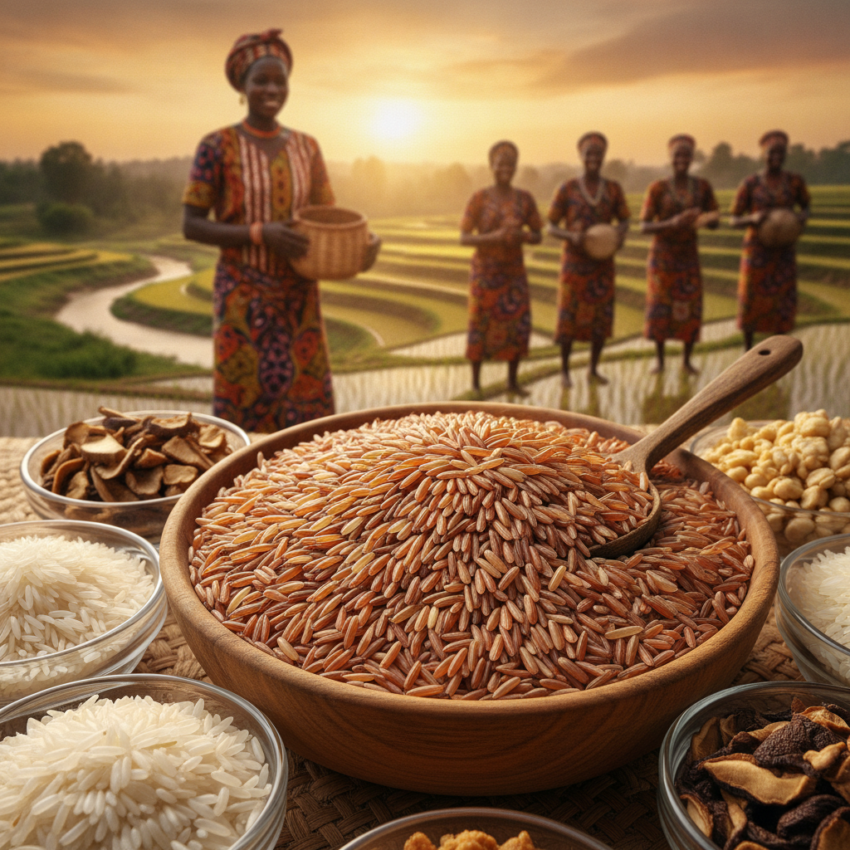
Imagine a grain so distinct, so deeply woven into its land’s heritage, that tasting it transports you to another culture. Most culinary explorers seek novelty, yet many hidden treasures remain undiscovered, leaving our palates unchallenged and our tables less vibrant.
One such culinary treasure is Borgu Rice, an exotic grain from a specific region with a deeply rooted history that few outside its origin truly understand. Without exploring such unique varieties, we miss opportunities to diversify our diets, broaden our culinary horizons, and experience rich cultural narratives embedded within our food.
This article unveils the complete profile of Borgu Rice, from its precise origins and rich cultural significance to its distinct flavor profile and how it compares to common varieties. You will discover its unique nutritional benefits and healthy compounds, gain insights into sourcing and preparation, and learn optimal methods to cook and integrate this exceptional grain into your own culinary repertoire.
Borgu Rice: Unearthing its Geographical Roots and Cultural Heritage
Borgu Rice originates from the Borgu Kingdom in West Africa, primarily Nigeria. It is a staple food and heritage symbol, holding deep cultural and agricultural significance within the region. As the Borgu Kingdom Nigeria map illustrates, the grain’s cultivation has evolved over centuries within this specific geographical context, deeply intertwining with local traditions and forming a bedrock of the community’s identity and historical agricultural practices.
Borgu Rice cultivation is deeply embedded with ancestral rituals and community celebrations, particularly during harvest periods. These ceremonies ensure successful yields and honor the land, reflecting the grain’s profound spiritual significance within the Borgu culture. Such practices reinforce the collective identity and historical connection between the people and their staple food.
Borgu Communities Sustain Rice Cultivation Through Generational Knowledge
Local communities within the Borgu Kingdom, primarily ethnic groups like the Bariba and Fulani, cultivate Borgu rice, perpetuating centuries-old farming traditions using ancient methods like rain-fed agriculture and inherited knowledge of soil and climate. This generational understanding ensures the sustainable production of the grain, which serves as a primary food source for local sustenance and a vital commodity for regional trade, underpinning the economic stability and food security of these communities. The grain’s continuous role reinforces the collective identity and historical connection between the people and their staple food, a core aspect of the ‘Cultural Significance Framework’.
Celebrating Borgu Rice Through Festivals and Food
Borgu rice played a limited direct role in ancient long-distance trade routes compared to more easily transportable commodities, primarily serving localized exchange and sustenance within the Borgu Kingdom. Its profound cultural integration is evident in annual harvest festivals, specific ceremonies, and rich folklore that celebrate successful cultivation and community prosperity. The grain forms the bedrock of Borgu’s culinary identity, being an integral component of traditional dishes and daily meals, symbolizing nourishment and communal bonding.

The Distinct Flavor Profile of Borgu Rice: A Sensory Exploration
Understanding Borgu Rice’s Distinct Aroma
Borgu Rice has a unique flavor profile featuring an earthy, subtly nutty aroma, a firm, chewy texture, and a complex taste. It blends a hint of sweetness with distinct umami notes. Unlike the intensely floral notes characteristic of jasmine rice or the toasted popcorn-like fragrance of basmati, Borgu rice offers a more grounded, subtly earthy aroma that reflects its traditional cultivation. Its scent profile leans towards a warm, wholesome grain character rather than a perfumed one, deepening into a rustic essence when cooked. This distinct aroma provides a profound sensory experience, setting it apart from more common, highly aromatic rice varieties.
How Borgu Rice Develops Its Earthy, Nutty Aroma
The distinctive nutty notes in Borgu Rice primarily originate from alkylpyrazines, volatile organic compounds that develop through traditional sun-drying and cooking methods. Uncooked, it presents a subtle, earthy scent which intensifies significantly upon cooking into a rich, grounding aroma with pronounced nutty undertones, a marked contrast to the floral or perfumed profiles of Basmati or Jasmine rice. This unique aromatic evolution delivers a rustic, wholesome grain character, emphasizing depth and earthiness over delicate sweetness or light fragrance.
Borgu Rice maintains a remarkably consistent firm, chewy texture across various cooking methods, unlike some grains that can become mushy or overly soft. Its grains remain distinct and separate even after prolonged cooking, never developing the stickiness common in other varieties.
Borgu Rice leaves a subtle, lingering aftertaste characterized by a delicate sweetness that transitions into a distinct umami note, offering a complex finish. This complex taste profile, blending sweetness with umami, is robust and holds up exceptionally well across diverse culinary preparations.
How Borgu Rice Compares to Common Rice Varieties
Borgu Rice distinguishes itself from common varieties such as Basmati or Jasmine with its earthier aroma and notably firmer, chewier texture. Unlike the often delicate fragrance and softer grain of Basmati, Borgu offers a more robust mouthfeel and a unique flavor profile that balances subtle sweetness with a pronounced umami, absent in the more neutral or floral notes of other white rices. This distinct combination makes Borgu an unparalleled choice for dishes requiring a grain with significant character.
Beyond Flavor: Nutritional Value and Health Benefits of Borgu Rice
Why Borgu Rice Offers Superior Nutritional Value
Borgu Rice is a nutritionally dense grain offering significant dietary fiber, essential proteins, and a range of micronutrients. Ongoing research into Borgu Rice’s unique bioactive compounds and health benefits suggests the presence of specific ‘hidden good fats’ or antioxidants contributing to its distinct health advantages. Research indicates Borgu Rice exhibits quantifiable concentrations of anthocyanins, a potent antioxidant class, distinguishing its nutritional profile from most conventional white rice varieties through its unique bioactive compound content.
Borgu Rice typically exhibits a lower glycemic index compared to conventional white rice, facilitating more stable blood sugar levels and preventing rapid energy crashes throughout the day. Its robust macronutrient profile includes a significant proportion of complex carbohydrates, which provides sustained energy release essential for daily metabolic functions and sustained physical activity. This grain’s notable dietary fiber content not only supports optimal digestive health but also contributes to a prolonged feeling of satiety, aiding effectively in weight management strategies and overall gut well-being.
Exploring Borgu Rice’s Micronutrient Contributions
While specific traditional medicinal uses for Borgu rice are not extensively documented in scientific literature, its rich nutritional profile suggests a role in supporting general well-being through essential compounds. Borgu rice is a valuable source of several micronutrients, including various B vitamins crucial for energy metabolism, and vital minerals such as iron for oxygen transport, magnesium for muscle and nerve function, and zinc for immune support. Furthermore, like many whole grains, it contains various plant-based antioxidants that contribute to cellular protection, aiding the body’s natural defense against oxidative stress.
Uncovering Unique Bioactive Compounds
Beyond its staple micronutrient profile, Borgu Rice is a focal point for emerging research into unique bioactive compounds, including novel polyphenols and potential “hidden good fats” that differentiate it from common varieties. Research indicates Borgu Rice exhibits quantifiable concentrations of anthocyanins, a potent antioxidant class, distinguishing its nutritional profile from most conventional white rice varieties through its unique bioactive compound content. Further studies are crucial to fully characterize these compounds and their specific health benefits, exploring areas that competitors often overlook.
How Borgu Rice Boosts Overall Health
Borgu Rice’s robust nutritional profile, particularly its fiber and complex carbohydrate content, actively supports stable blood sugar regulation, mitigating rapid spikes often associated with refined grains. Its inherent antioxidants and beneficial compounds contribute to improved heart health by reducing oxidative stress, while its sustained energy release makes it an excellent component for diverse, healthy eating patterns focused on metabolic balance.
Sourcing, Preparation, and Culinary Applications for Borgu Rice
How to Begin with Borgu Rice: Sourcing and Initial Steps
Sourcing Borgu Rice involves seeking reputable online vendors or specialty stores. Prepare it with minimal cleaning due to its ‘stone-free’ quality, and cook similarly to other long-grain rice using specific water ratios.
Borgu rice does not typically require pre-soaking for optimal results, primarily due to its ‘stone-free’ quality which minimizes impurities and simplifies preparation. This characteristic ensures the grain maintains its distinct texture directly from cooking, without the risk of becoming overly soft.
Exploring Borgu Rice in Sweet Dishes
Borgu rice is suitable for desserts like rice pudding, offering a unique textural contribution with its distinct bite that prevents dishes from becoming overly mushy. Its ability to absorb flavors while maintaining individual grain integrity makes it an excellent candidate for sweet preparations, contrasting with stickier rice types often used for confections. This characteristic supports its integration into recipes requiring structure, such as molded rice desserts or as a firm base in layered sweet dishes.
A heavy-bottomed pot ensures even heat and preserves Borgu rice’s unique texture, preventing sticking and allowing grains to remain separate. For optimal cooking, a 1.75:1 water-to-rice ratio is ideal, though you can adjust between 1.5:1 for firmer or 2:1 for softer grains, simmering covered for 20-25 minutes until all liquid absorbs. After cooking, a crucial 5-10 minute covered resting period allows steam to redistribute, firming the grains and enhancing their characteristic individual bite.
Borgu Rice excels in diverse culinary applications due to its firm texture and distinct flavor, making it suitable for a variety of dishes. It is particularly well-suited for preparations like vibrant grain salads, flavorful Borgu Rice pilaf, and elevated savory side dishes. Its robust profile also offers an authentic base for regional jollof rice variations.
Borgu Rice’s unique profile allows it to excel with specific flavor pairings and offers high versatility as a substitute in diverse global cuisines. It harmonizes particularly well with aromatic spices such as saffron, turmeric, and ginger, alongside robust ingredients like braised meats or roasted vegetables. This adaptability enables it to seamlessly replace basmati in pilafs, Arborio in heartier risottos, or even long-grain white rice in a variety of international dishes, lending a distinctive textural and flavor depth.
Having explored its West African origins, distinctive earthy-nutty profile, and rich antioxidant content, you now possess a comprehensive understanding of Borgu Rice’s unique place in culinary and nutritional landscapes. This exceptional grain offers a vibrant alternative to conventional rice varieties, distinguished by its cultural heritage and impressive health benefits.
This article has equipped you with the authoritative knowledge to confidently identify Borgu Rice, appreciate its specific culinary applications, and understand its significant dietary contributions. You are now prepared to confidently introduce this exotic, healthful grain into your cooking, informed by its unique story and proven advantages.
Now, let the unique character of Borgu Rice enhance your next meal by exploring its versatile nature firsthand. For those ready to explore this unique grain, reputable online marketplaces like Kioxit offer a curated selection within their Grains, Pasta & Noodles category, ensuring quality and convenience.
Frequently Asked Questions
Which local communities primarily cultivate Borgu rice?
Local communities within Nigeria’s Borgu Kingdom, chiefly the Bariba and Fulani ethnic groups, primarily cultivate Borgu rice. They sustain this grain through centuries-old farming traditions, employing ancient methods like rain-fed agriculture and inherited knowledge of soil and climate. This ensures its sustainable production and role as a primary food source.
What unique rituals are tied to its harvest?
Borgu rice cultivation is deeply tied to ancestral rituals and community celebrations, especially during harvest periods. These ceremonies are performed to ensure successful yields and to honor the land, reflecting the grain’s profound spiritual significance within Borgu culture. Such practices strengthen the collective identity and historical connection.
How does Borgu rice’s aroma compare to basmati or jasmine?
Unlike the intensely floral notes of jasmine rice or basmati’s toasted popcorn-like fragrance, Borgu rice presents a more grounded, subtly earthy aroma. Its scent profile leans towards a warm, wholesome grain character rather than a perfumed one, deepening into a rustic essence when cooked, reflecting its traditional cultivation methods.
What specific compounds contribute to its nutty notes?
The distinctive nutty notes in Borgu Rice primarily originate from alkylpyrazines. These volatile organic compounds develop through traditional sun-drying and cooking methods. Uncooked, it presents a subtle, earthy scent, which intensifies upon cooking into a rich, grounding aroma with pronounced nutty undertones, distinguishing it from floral or perfumed rice varieties.
How does its glycemic index compare to white rice?
Borgu Rice typically exhibits a lower glycemic index compared to conventional white rice. This facilitates more stable blood sugar levels, preventing rapid energy crashes throughout the day. Its robust macronutrient profile, including complex carbohydrates, provides sustained energy release, supporting daily metabolic functions and contributing to a prolonged feeling of satiety.
Does Borgu rice offer unique antioxidants not found elsewhere?
Yes, research indicates Borgu Rice exhibits quantifiable concentrations of anthocyanins, a potent antioxidant class. This distinguishes its nutritional profile from most conventional white rice varieties through its unique bioactive compound content. Further studies are ongoing to fully characterize these compounds and their specific health benefits.