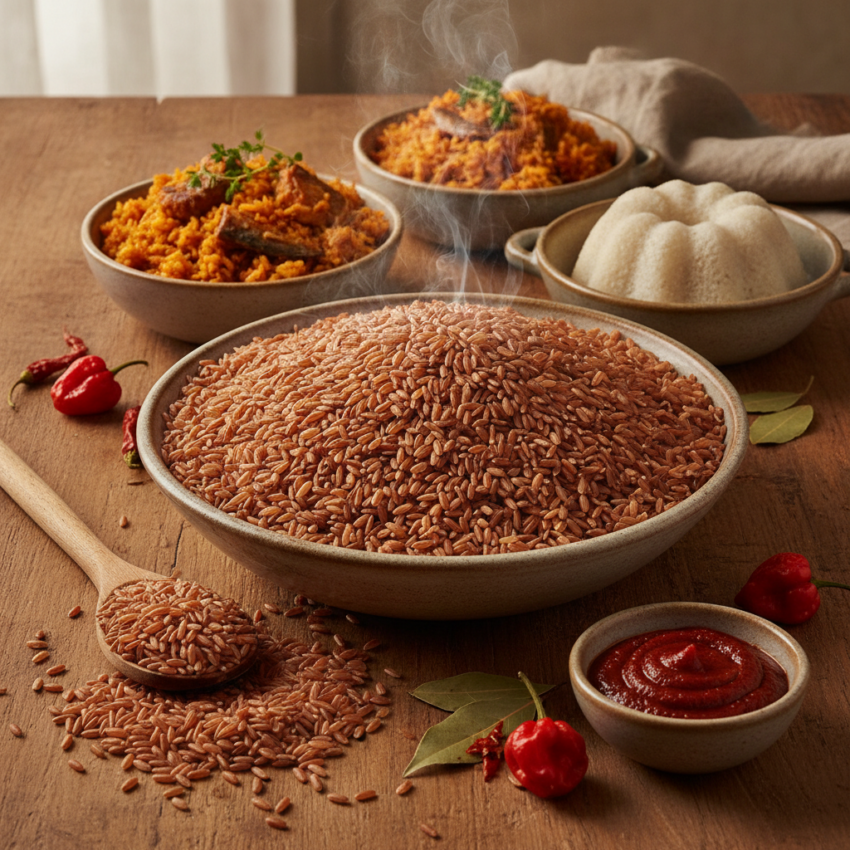
Ever tried to cook West African rice dishes and found them lacking that authentic texture, or ended up with a sticky, overcooked mess? The secret often lies in understanding your rice variety, and for true West African flavors, Borgu rice stands apart.
Unlike commonly available grains, Borgu rice possesses a distinct grain structure and starch content that dictates its unique absorption and separation properties, crucial for achieving dishes like fluffy Jollof or pliable Tuwo Shinkafa. Without recognizing these differences, creating authentic West African textures or knowing how Borgu rice differs from other varieties in the cuisine remains a challenge.
This guide demystifies Borgu rice, explaining exactly what it is and how to cook it perfectly for any application, from traditional West African staples to innovative adaptations. You will discover the best authentic recipes, learn versatile techniques for using and storing leftovers, and ultimately master its distinct culinary properties to ensure perfect texture and flavor every time.
By the end of this article, you will confidently prepare authentic Borgu rice dishes that truly capture West African culinary excellence.
Borgu Rice: Characteristics & Perfect Cooking Method
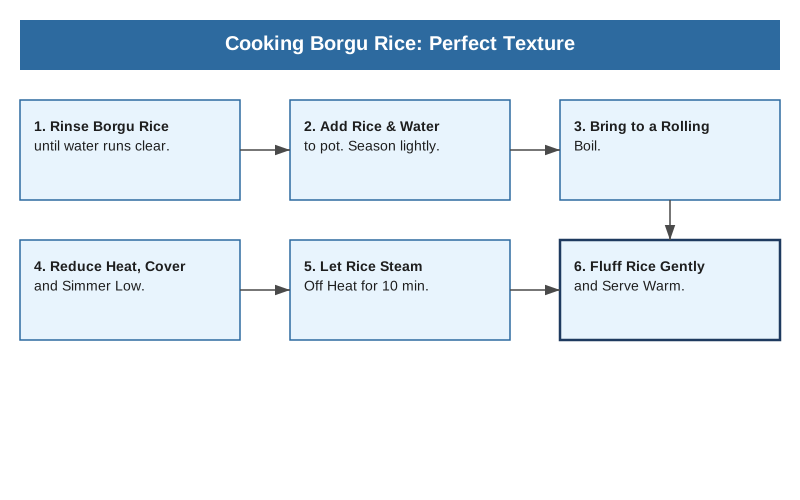
Borgu rice, a West African varietal, is unique for its firm, distinct grains, nutty flavor, robust aroma, and low stickiness due to its amylose content. To cook perfectly, use an absorption method with a moderate water ratio to achieve a fluffy texture that highlights its unique characteristics.
Borgu rice does not typically require soaking before cooking, a direct benefit of its parboiled nature, which gelatinizes starch within the grain for a firmer texture. This pre-processing enhances nutrient retention and significantly influences its water uptake ratio and consistent grain elongation during cooking, key factors in understanding the scientific cooking properties of rice varieties.
To prevent Borgu rice from becoming mushy, meticulously follow the Kioxit ‘Perfect Borgu Rice Method’ which employs a precise 1:1.5 rice-to-water ratio. This definitive stovetop process begins with thorough rinsing, proceeds through simmering until all water absorbs, and concludes with a crucial steaming period off-heat followed by a final rest. Adhering to these steps ensures firm, distinct grains that maintain their integrity.
Borgu rice is naturally gluten-free, making it a safe and accessible grain for individuals with celiac disease or gluten sensitivities. This West African varietal also typically exhibits a moderate glycemic index, contributing to a more gradual release of energy and making it a suitable option for balanced dietary planning.
Authentic West African Borgu Rice Recipes
What are the must-try authentic West African Borgu rice recipes?
Mastering the Essential Flavors of Borgu Jollof
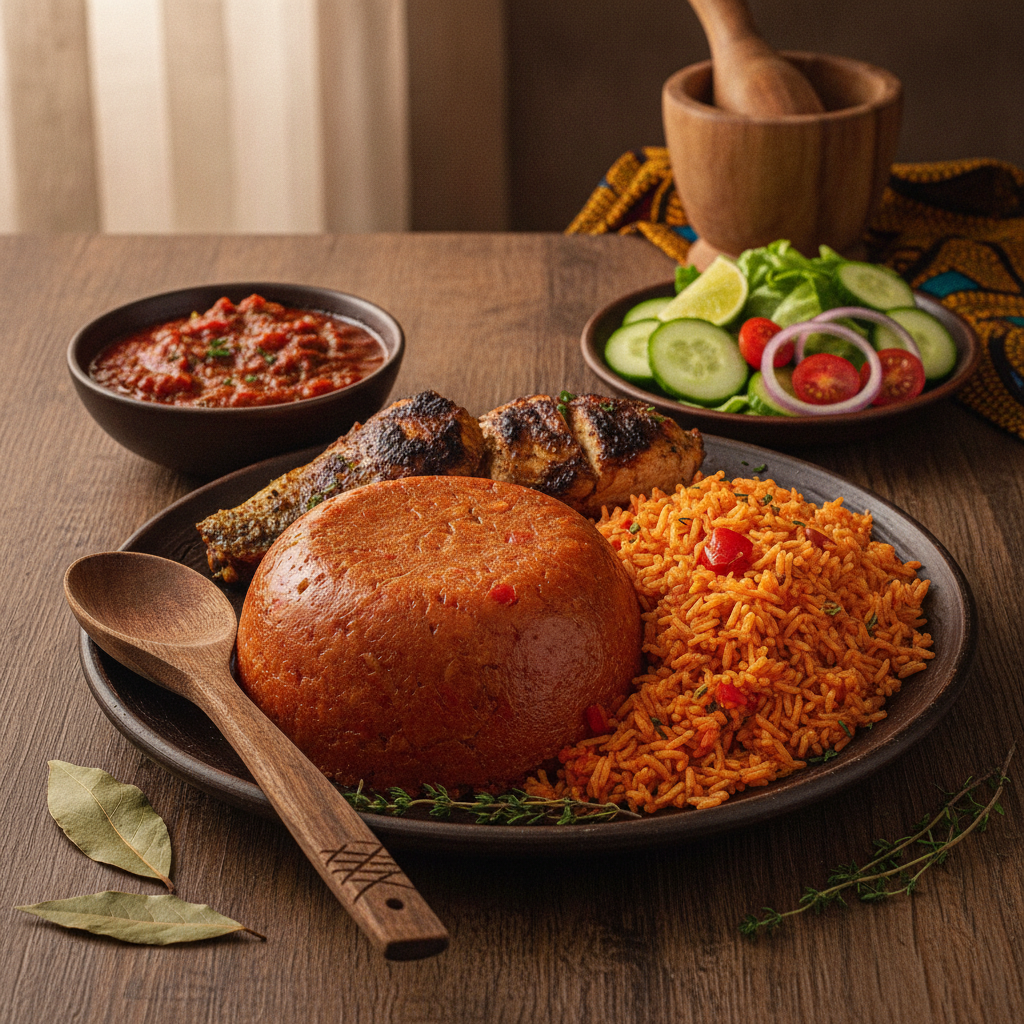
Must-try authentic West African Borgu rice recipes include classic Jollof Rice, known for its complex layered flavors and iconic bottom-pot char, and Tuwo Shinkafa, a beloved swallow dish. These recipes showcase Borgu rice’s unique texture and cultural significance. The essential spices for West African rice dishes like Jollof often involve a foundational blend of curry powder, dried thyme, and bay leaves, built upon a rich base of tomato paste and fiery Scotch bonnets, all contributing to the dish’s signature complex flavor profile. Sourcing high-quality Spices & Seasonings and Tomato Pastes & Cooking Bases is crucial for achieving authentic taste; as depicted in the accompanying visual of ‘Borgu Jollof Tuwo recipes’, Borgu rice is pivotal for achieving Jollof’s vibrant color and its revered bottom-pot char, embodying the dish’s cultural significance of Jollof Rice throughout West Africa.
In West African cuisine, Borgu rice is considered the defining ingredient for the ‘Jollof Bottom-Pot Char Factor’ (JBCF), a critical culinary standard representing the rice’s ability to achieve both a distinct al dente texture and the highly desired caramelized crust that signifies an authentic, expertly prepared Jollof.
Understanding Borgu Rice’s Culinary Role Beyond Fufu
Borgu rice is not typically used to replace fufu in traditional West African meals, as fufu is a pliable dough made from starchy roots designed for swallowing, whereas Borgu rice maintains a distinct grain texture ideal for dishes like Jollof. Its firm, non-sticky nature ensures that each grain separates beautifully when cooked, providing a light, fluffy consistency that contrasts sharply with the smooth, cohesive structure of fufu made from cassava or yam. This unique characteristic is fundamental to why Borgu rice excels in dry-grain preparations rather than as a binding ‘swallow’.
How to Source Key Ingredients for Tuwo Shinkafa
Specific West African ingredients for dishes like Tuwo Shinkafa are readily available through specialized international food markets or online retailers such as Kioxit, offering access to high-quality Grains, Pasta & Noodles, Spices & Seasonings, and Tomato Pastes & Cooking Bases. Tuwo Shinkafa is a staple West African swallow dish, particularly popular in Northern Nigeria, where Borgu rice flour is crucial for achieving its characteristic smooth, pliable texture. This dish traditionally pairs with rich, aromatic soups such as Miyan Kuka, made from baobab leaves, or Egusi soup from melon seeds, allowing the rice’s mild flavor to complement the intense soup profiles.
Preparing Perfect Borgu Tuwo Shinkafa
Authentic Tuwo Shinkafa, while itself mild and designed to be a neutral counterpart, is invariably served with richly spiced West African soups, creating a dynamic balance of flavors in the overall meal. The true mastery of this beloved swallow dish lies in executing the precise steps to achieve its characteristic smooth, pliable texture, which is entirely dependent on the quality of Borgu rice flour and careful technique. This consistency allows the Tuwo to perfectly complement the intense and complex profiles of its accompanying stews without overwhelming them. Understanding the nuanced technique of kneading is fundamental, transforming simple rice flour and water into a cohesive, elastic foodstuff that embodies traditional West African culinary expertise.
- Sift Borgu Rice Flour: Begin by thoroughly sifting finely ground Borgu rice flour, ensuring it is specifically suitable for Tuwo and often coarser than typical baking flour. This critical preliminary step ensures the removal of any potential lumps or coarse particles, guaranteeing a uniformly smooth paste and preventing a gritty texture in the final Tuwo.
- Form the Initial Paste: Gradually whisk the sifted flour into a pot of boiling water, ensuring continuous stirring to prevent clumping. Maintain this motion until a thick, consistent paste starts to form, free from dry spots and uniformly moistened.
- Master the Kneading Technique: Reduce the heat to medium-low. Using a strong wooden spoon or spatula, vigorously knead the paste against the sides and bottom of the pot for 10 to 15 minutes. This sustained physical effort is crucial for developing the Borgu rice starch, transforming the mixture into an elastic, pliable mass that epitomizes the ideal Tuwo Shinkafa texture and chewiness.
- Shape and Serve: Allow the prepared Tuwo to cool slightly until it is warm but manageable to handle. Moisten your hands with water and quickly shape the mixture into smooth, uniform, palm-sized balls. These are traditionally served immediately with intensely flavorful West African stews and soups, such as Miyan Kuka or Egusi soup. These soups often rely on a rich base of quality Spices & Seasonings and robust Tomato Pastes & Cooking Bases for their deep umami and aromatic complexity.
Tuwo Shinkafa is traditionally eaten by hand, where small portions are pinched off and used to scoop up the accompanying soup, allowing the diner to fully appreciate the textural contrast and flavor harmony. This method is central to the cultural experience of enjoying a West African swallow dish.
Creative Adaptations & Storage: Maximizing Your Borgu Rice
Transform Borgu Rice into Puffed Snacks and Gluten-Free Flours
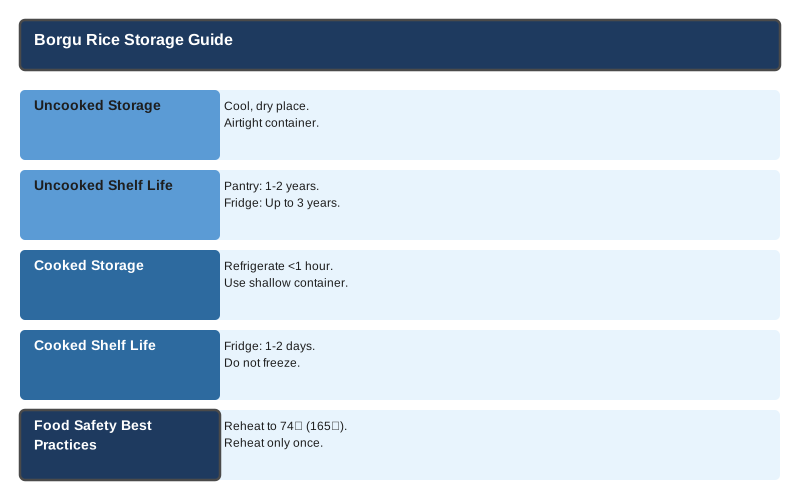
Maximize Borgu rice’s versatility by transforming it into puffed snacks, using its flour in gluten-free baking, or incorporating it into grain bowls. Optimal storage involves preventing starch retrogradation and bacterial growth through proper techniques. Beyond its role in traditional dishes, Borgu rice can be pan-fried dry until lightly puffed, adding a delightful textural contrast to salads or acting as a crunchy topping for yogurt. Grinding the grains into a fine Borgu rice flour offers a robust, naturally gluten-free option for thickening sauces, making savory crepes, or creating distinct baking goods, addressing a common gap in specialty rice applications. The figure illustrates detailed storage methods for both uncooked and cooked Borgu rice, crucial for maintaining quality and preventing spoilage, ensuring home cooks can confidently explore its full culinary range.
How to Safely Store Cooked Borgu Rice
Cooked Borgu rice remains safe to consume for up to 3-4 days when stored correctly in the refrigerator. Rapid cooling within one hour of cooking is essential to minimize the risk of bacterial growth, specifically from Bacillus cereus spores which can survive initial cooking.
Yes, Borgu rice can be skillfully incorporated into a range of sweet dessert recipes, leveraging its inherent starchiness to create creamy textures akin to a traditional rice pudding or refreshing chilled tropical rice salads. Its robust grain structure holds up exceptionally well, absorbing diverse flavors from coconut milk and mango to aromatic spices like cardamom. This adaptability makes Borgu a versatile base for innovative culinary explorations, extending beyond savory dishes into unique sweet fritters and confections.
You now understand Borgu rice’s unique profile, mastering its optimal cooking methods and distinct culinary versatility beyond other varieties. This deep insight empowers you to create authentic West African dishes, confidently adapting techniques for various flavor profiles and even exploring innovative sweet preparations.
This guide has equipped you to unlock genuine authentic West African flavors, allowing you to confidently prepare traditional Borgu rice dishes with consistent, perfect texture and flavor. You can now successfully implement versatile cooking techniques for any meal, proving your mastery of this exceptional grain.
Begin your Borgu rice culinary journey today by sourcing the finest ingredients. Explore a curated selection of quality West African ingredients, including premium Borgu rice, available on Home – Kioxit to bring these vibrant flavors directly to your kitchen.
Frequently Asked Questions
What makes Borgu rice different from other varieties?
Borgu rice stands apart with its distinct grain structure and starch content, which dictate its unique absorption and separation properties. This West African varietal is known for firm, distinct grains, a nutty flavor, robust aroma, and low stickiness due to its amylose content, crucial for authentic West African dishes like fluffy Jollof.
Does Borgu rice need soaking before cooking?
No, Borgu rice does not typically require soaking before cooking. This is a direct benefit of its parboiled nature, which gelatinizes starch within the grain, leading to a firmer texture. This pre-processing also enhances nutrient retention and influences its consistent grain elongation during cooking, ensuring perfect results without extra steps.
How can I prevent Borgu rice from getting mushy?
To prevent Borgu rice from becoming mushy, follow the Kioxit ‘Perfect Borgu Rice Method’ using a precise 1:1.5 rice-to-water ratio. This stovetop process involves thorough rinsing, simmering until water absorbs, and a crucial off-heat steaming period, followed by resting. Adhering to these steps ensures firm, distinct grains that maintain their integrity and avoid stickiness.
Is Borgu rice gluten-free or low glycemic?
Yes, Borgu rice is naturally gluten-free, making it a safe grain for those with celiac disease or gluten sensitivities. It also typically exhibits a moderate glycemic index. This property contributes to a more gradual release of energy, making Borgu rice a suitable option for balanced dietary planning and accessible to a wider range of individuals.
What is the essential spice for West African rice dishes?
Essential spices for West African rice dishes like Jollof often involve a foundational blend. This includes curry powder, dried thyme, and bay leaves. These are built upon a rich base of tomato paste and fiery Scotch bonnets. This combination contributes significantly to the dish’s signature complex flavor profile, embodying authentic West African taste.
Can Borgu rice replace fufu in traditional meals?
No, Borgu rice is not typically used to replace fufu in traditional West African meals. Fufu is a pliable dough made from starchy roots for swallowing, while Borgu rice maintains a distinct grain texture, ideal for dishes like Jollof. Its firm, non-sticky nature ensures fluffy, separate grains, contrasting sharply with fufu’s smooth, cohesive structure.